Forensic expert challenges official Epstein death narrative, demands new probe
02/16/2026 / By Willow Tohi
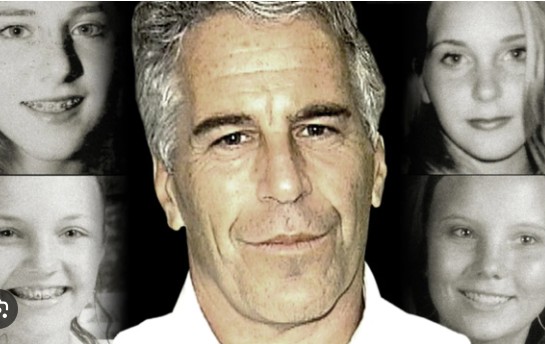
- Dr. Michael Baden, a forensic pathologist present at Jeffrey Epstein’s autopsy, calls for a new investigation, citing evidence he believes points to homicide.
- Baden states autopsy findings, including specific neck fractures, are more consistent with homicidal strangulation than suicidal hanging.
- He notes the official cause of death was initially listed as “pending” before being ruled a suicide days later, a sequence he finds significant.
- Baden references newly disclosed materials, including surveillance footage from the prison, as warranting renewed scrutiny.
- The New York Chief Medical Examiner’s office has consistently defended its suicide ruling, which was accepted by federal authorities.
In August 2019, the nation was stunned by the jail cell death of financier and accused sex trafficker Jeffrey Epstein. Found unresponsive in his Manhattan prison cell while awaiting federal trial, his death was swiftly ruled a suicide by hanging. Yet, from the autopsy room onward, one of America’s most prominent forensic pathologists has voiced profound dissent. Now, citing newly released government documents, Dr. Michael Baden is renewing his call for an independent review, arguing that the medical and circumstantial evidence tells a story starkly different from the official account.
The autopsy findings: A cause for concern
Dr. Michael Baden, the former Chief Medical Examiner of New York City, attended Epstein’s post-mortem examination as an observer for the Epstein family. His professional assessment, maintained consistently since 2019 and reiterated in recent interviews, is that the physical evidence does not align with a typical suicide by hanging. Baden has pointed specifically to fractures found in Epstein’s neck—including the hyoid bone and thyroid cartilage—which he describes as highly unusual in suicidal hangings. In forensic pathology, such injuries are more frequently associated with manual strangulation, a hallmark of homicide. “The autopsy findings are much more consistent with a crushing injury caused by homicidal strangulation than caused by hanging by suicide,” Baden stated.
A rushed judgment?
Baden’s skepticism extends beyond the physical evidence to the official process. He notes that following the autopsy, the cause and manner of Epstein’s death were officially listed as “pending,” a standard designation when findings are inconclusive and require further investigation. According to Baden, he and the performing pathologist agreed more information was needed. However, just five days later, then-Chief Medical Examiner Dr. Barbara Sampson ruled the death a suicide. Baden has said he was unaware of any intervening investigation that would explain this definitive conclusion, suggesting the determination was premature. This sequence, from pending to suicide in less than a week, remains a central pillar of his argument for reexamination.
New context from the “Epstein Files”
The recent release of millions of pages of documents related to Epstein by the Department of Justice has provided fresh impetus for Baden’s call. These materials include surveillance footage from the Metropolitan Correctional Center on the night of Epstein’s death. Baden references clips that show an unexplained “flash” of movement in a prison corridor and noted gaps in coverage, which he believes merit serious analysis in any renewed inquiry. For Baden, these disclosures are not mere fodder for conspiracy theories but are legitimate evidentiary issues that were inadequately addressed. “Given all the information now available,” he argues, “further investigation into the cause and manner of death is warranted.”
A historical echo of inconvenient deaths
The unresolved questions surrounding Epstein’s death resonate within a grim historical context of high-profile fatalities that have altered the course of investigations and silenced key witnesses. From the assassination of President John F. Kennedy to the prison death of organized crime informant Whitey Bulger, instances where a central figure dies under state custody have perpetually fueled public mistrust and allegations of cover-ups. The Epstein case taps directly into this deep-seated skepticism about the integrity of institutions when powerful interests are involved. When an individual holding secrets allegedly implicating wealthy and influential associates dies in a federally managed facility, the demand for transparent and conclusive answers is not merely speculative; it is a necessary function of public accountability.
An unsettled case demands resolution
The official narrative, upheld by Dr. Sampson and accepted by the Trump administration’s Justice Department, remains that Jeffrey Epstein died by his own hand. Yet, the persistent, evidence-based doubts of a forensic authority of Dr. Baden’s stature cannot be dismissed as mere controversy. His analysis presents specific, medical objections that have never been publicly refuted with equally detailed forensic counter-evidence. In a case that already severely tested public confidence in the justice system, the continued disagreement among experts over the fundamental facts of Epstein’s death serves as an open wound. For many observers, national security is rooted in the government’s ability to conduct its duties transparently and accountably. Until a truly independent and comprehensive review addresses the discrepancies highlighted by Baden and others, the death of Jeffrey Epstein will remain, in the public mind, an unsettling and unresolved chapter, casting a long shadow over the pursuit of justice.
Sources for this article include:
Submit a correction >>
Tagged Under:
autopsy, big government, conspiracy, corruption, deception, deep state, epstein, Fact Check, forensics, homicide, honest, lies, Michael Baden, rational, real investigations, skeptics, Suppressed, truth
This article may contain statements that reflect the opinion of the author
RECENT NEWS & ARTICLES